
Ranch Life · Equipment
The storm rolls in over the ridge. The wind picks up, the lights flicker, and then everything goes quiet.
In town, the power usually comes back in an hour or two.
At the end of a long county road, it can be days. And on a ranch, losing power means more than losing the lights. No power often means no water from the well, no heat from the furnace fan, and a freezer full of elk and beef slowly warming.
That’s why a whole-house standby generator is on so many ranch wish lists. Here’s how to choose one.
What a Standby Generator Does
A standby generator sits outside the house on a pad, much like an air conditioner. It’s connected to your propane or natural gas and wired into your electrical panel through an automatic transfer switch.
When the power goes out, it starts on its own within seconds and switches the house over. When the power comes back, it switches back and shuts itself off. No pulling cords in the dark, no extension cords across the kitchen.
Generac: The Name You’ll Hear First
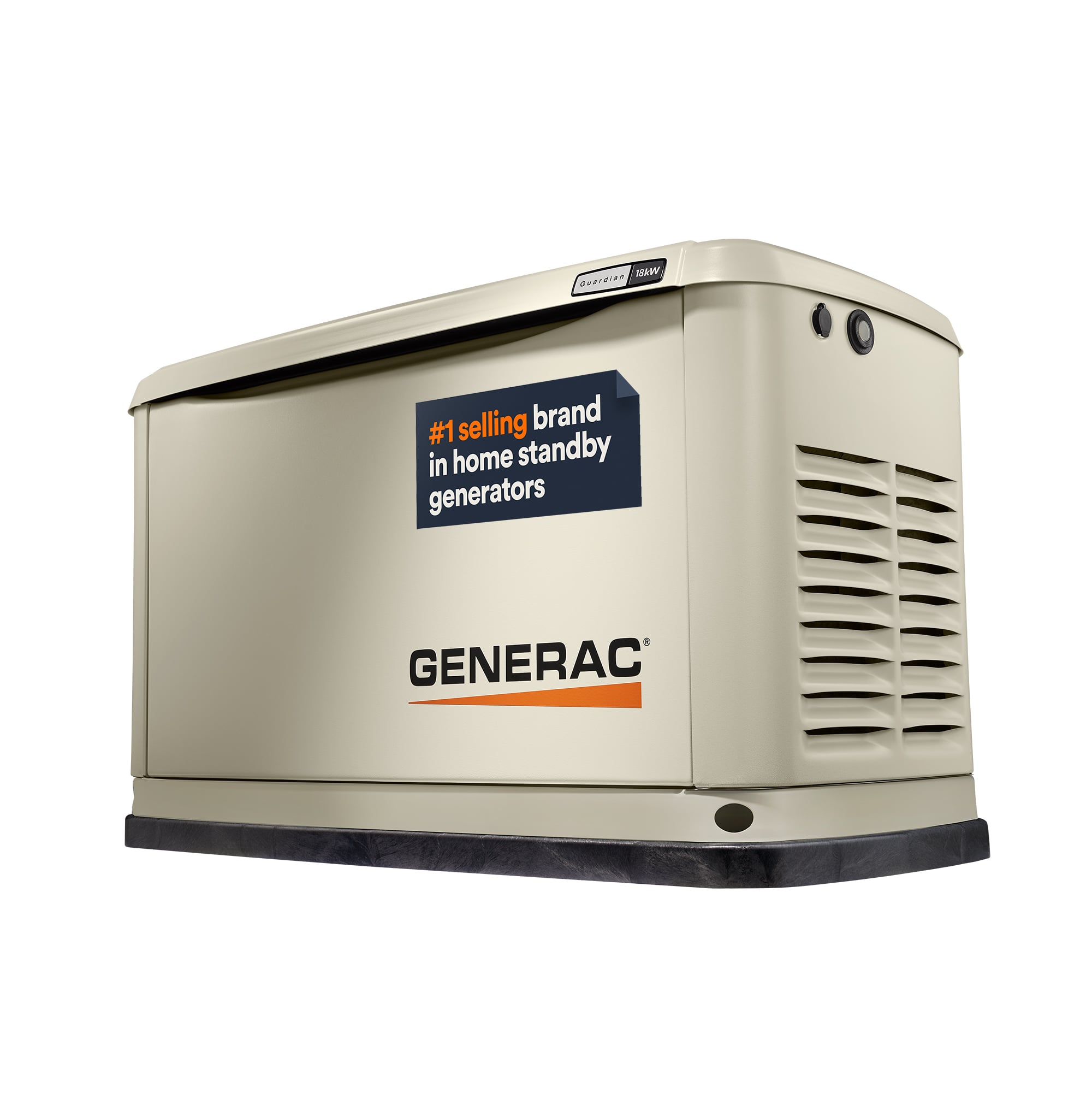
Generac created the home standby generator market more than 60 years ago, and the company says eight out of ten home standby generators installed are theirs.
Its Guardian Series runs from 10 kW for the essentials up to 26 kW, the most powerful air-cooled home standby generator on the market. Every Guardian comes with Wi-Fi monitoring, so you can check on it from your phone when you’re away from the ranch.
Other names worth a look include Kohler, Briggs & Stratton and Champion. Whatever you choose, the dealer who installs and services it matters as much as the brand.
What Size Do You Need?
Start with what you can’t live without, then decide how much comfort you want on top.
- The essentials (about 10 to 14 kW): the well pump, the refrigerator and freezers, the furnace fan, lights and a few outlets.
- Most of the house (about 16 to 22 kW): add the kitchen, the laundry and central air.
- The whole ranch (22 kW and up): a larger home, the shop, the walk-in cooler, a heated barn or an EV charger.
A good installer will walk through your home and add up the loads with you, which is worth far more than guessing.
Three Things That Matter More on a Ranch
Propane
Most ranches don’t have a natural gas line, so propane is the usual fuel. The good news: Generac’s air-cooled generators make their full rated power on propane. The 26 kW Guardian, for example, makes 26 kW on propane and about 22.5 kW on natural gas.
Ask your propane supplier and installer to size the tank for a long outage, not just a short one, and keep it topped off before winter.
Elevation
In the mountains, engines lose power as the air thins, and generators are no exception. If your place sits high, ask your dealer how much output you’ll lose at your elevation, and size up if needed.
Cold
The storms that knock out power are often the coldest nights of the year. In snow country, ask about a cold weather kit so the generator starts reliably when you need it most.
What It Costs
A whole-house generator is a serious investment. Installed, most fall somewhere between about $10,000 and $20,000, depending on the size, the transfer switch, and how far the generator sits from the panel and the propane tank.
Get quotes from two or three certified dealers, and ask for each part of the job to be listed separately: the generator, the switch, the pad, the electrical, the gas line and the permit.
Where to Put It
Your installer will set the clearances from windows, doors and the house. Within those rules, a few thoughts:
- Keep it away from where you sit outside, like the porch or the fire pit.
- Make it easy to reach in deep snow for service.
- Screen it with a low stone wall, timber slats or native plantings, leaving the open space it needs for air, so it blends into the ranch.
The best thing about a standby generator is how little you think about it.
The storm comes through, the house hums back to life, the well keeps pumping, and the fire in the stove just keeps on glowing.
Powering a cabin instead of a full house? See off-grid power for a cabin on your land. Keeping warm the old way, too? See the best wood stoves for a ranch home.
Costs are general ranges from fall 2026 and vary by location and installation. Always use a licensed installer.