Ranch Life · Equipment
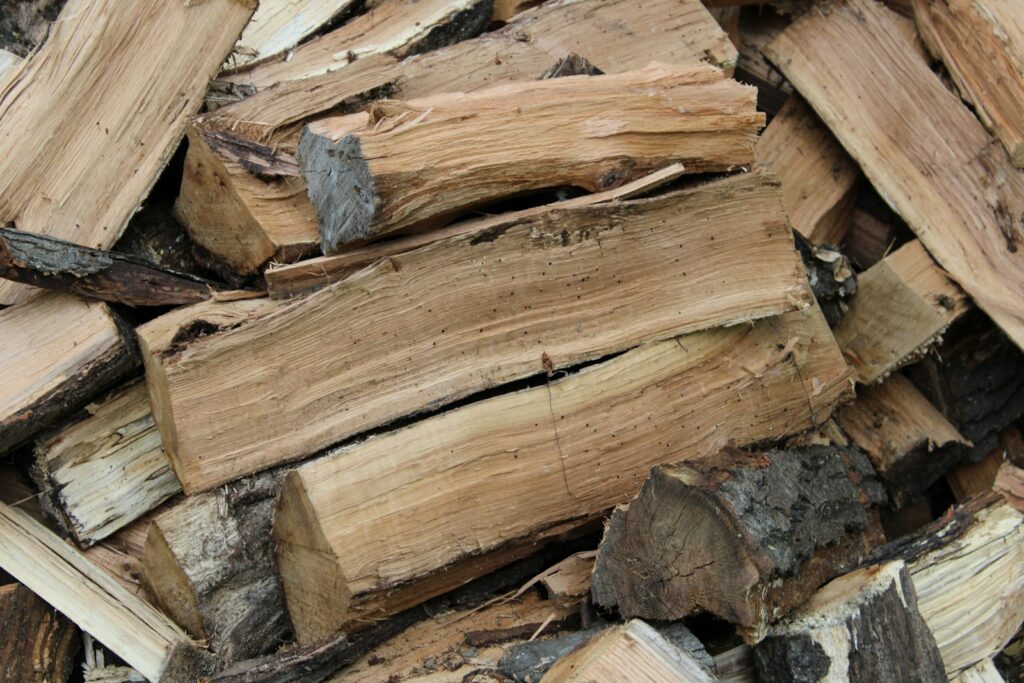
Every woodpile tells a story. The heavy oak that burns all night. The pine that crackles and flares. The piñon that fills the whole house with the smell of the Southwest.
Anyone who heats with wood eventually learns that not all firewood is the same.
Some wood burns hot and long. Some burns fast and bright. And some burns so hot it can be hard on your stove. Here’s how to understand what you’re stacking, and how to choose the right wood for the job.
What a BTU Tells You
Firewood heat is measured in BTUs, or British thermal units. When people compare firewood, they usually talk about how many million BTUs are in a full cord.
The simple rule: the denser the wood, the more heat in every cord. A pound of dry wood holds about the same heat no matter the tree. Dense woods just pack more pounds into the same stack, so a cord of oak can hold half again as much heat as a cord of aspen.
That’s why density matters when you buy wood. Two cords can cost the same and keep you warm for very different lengths of time.
Hardwood vs. Softwood
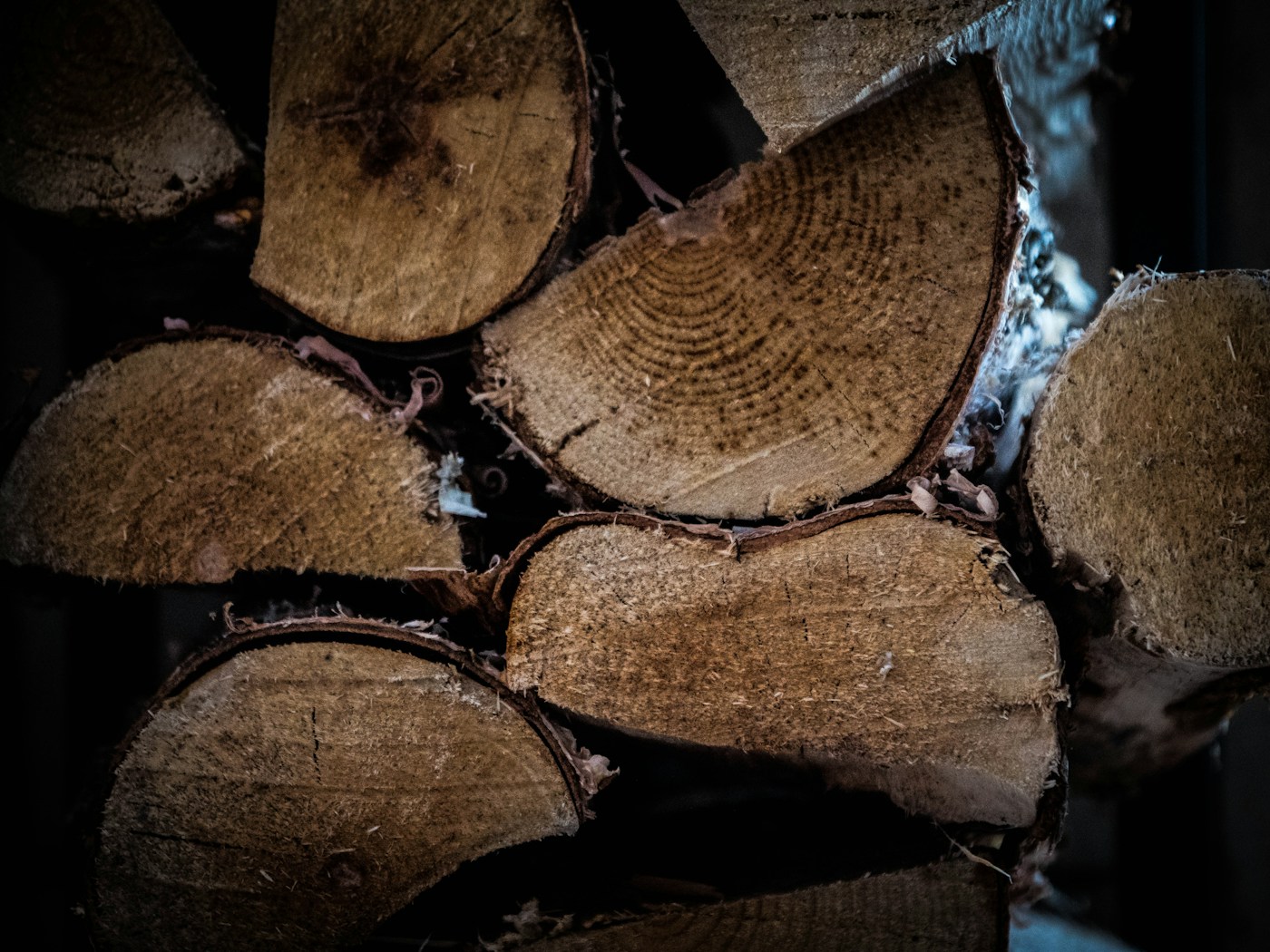
Hardwoods come from leafy trees like oak, hickory, ash and maple. They’re dense, they burn slower and steadier, and they leave long-lasting coals that carry a stove through the night.
Softwoods come from evergreens like pine, fir and juniper. They light easily, burn hot and fast, and dry quicker after they’re split. Across the Rockies, they’re the wood most people burn, because that’s what grows here.
The names can fool you. Douglas fir and piñon are softwoods that burn nearly as hot as many hardwoods, while aspen and cottonwood are hardwoods that burn light and quick.
The Heat in a Cord
Approximate heat per full cord of seasoned wood, from the hottest to the lightest:
| Wood | Heat per cord | Best for |
|---|---|---|
| Hickory | About 27 million BTU | Long, hot winter burns |
| Piñon pine | About 26 million BTU | Hot fires and that Southwest aroma |
| Oak | About 24 million BTU | Overnight burns and lasting coals |
| Mixed hardwood | About 22 million BTU | All-around winter heat |
| Douglas fir | About 21 million BTU | The best value in much of the West |
| Lodgepole pine | About 19 million BTU | Dependable everyday heat |
| Juniper or cedar | About 18 million BTU | Fragrant fires and kindling |
| Ponderosa pine | About 16 million BTU | Shoulder seasons and quick fires |
| Aspen | About 16 million BTU | Kindling and campfires |
| Cottonwood | About 14 million BTU | Taking the chill off a spring morning |
When Wood Burns Too Hot
More heat sounds like a good thing, but there is such a thing as too hot.
Very dense woods, like hickory, and a firebox packed full of dry pine with the air wide open can push a stove past what it was built for. Stove makers call this overfiring. It can warp metal, crack glass and stone, and in the worst cases damage the chimney.
A few signs to watch for: parts of the stove or stovepipe glowing red, a fire that roars even with the air turned down, or a stove thermometer pushing past the range your manufacturer recommends.
The fix is simple. Mix dense wood with lighter wood, load smaller amounts at a time, and get to know your air controls. A stove thermometer on the stovepipe or stovetop is one of the best small investments a wood-burning home can make.
Dry Wood Matters More Than the Tree
The hottest wood in the world won’t burn well if it’s wet. Green wood spends its energy boiling off water, so it smolders, smokes and leaves creosote in the chimney.
Well-seasoned wood is split and dried for six months to a year or more, until it’s below about 20 percent moisture. An inexpensive moisture meter takes the guesswork out: split a piece and test the fresh face inside.
You’ll also hear that pine causes chimney fires. In truth, the real culprit is wet or smoldering wood of any kind. Dry, well-burned pine is perfectly fine in a modern stove, as long as the chimney is cleaned regularly.
How We’d Stack the Woodpile
- A row of kindling: aspen, juniper or split pine to get every fire going fast.
- The everyday wood: Douglas fir or lodgepole pine for warm days and long evenings.
- The overnight wood: oak, hickory or piñon saved for the coldest nights, when you want coals waiting in the morning.
What Never Goes in the Stove
Painted or pressure-treated lumber, plywood and particleboard, driftwood from salt water, and trash. They can release toxic fumes and corrode your stove and chimney.
Understanding your firewood is part of the quiet craft of ranch life.
Kindling that catches on the first match. A steady fire through supper. And in the morning, a bed of coals ready to come back to life.
Ready to plan your winter? Our firewood calculator estimates how many cords you need and shows what you’re really paying for the heat. Then read Firewood Season: The Splitter, the Saw and the Stack and The Best Wood Stoves for a Ranch Home.
Always follow your stove manufacturer’s guidance on fuel, loading and operating temperatures.